
The Five-Face Card Anomaly Nobody Audits
Five face cards landing in a single Niu Niu hand is not luck. It is a statistical hole that most low limit live rooms never patch, and the operators running them know it. When you sit at a Bull Bull low limit table, the deck composition math changes in ways the casual player never models. Five face cards means every card is a J, Q, or K. In an eight-deck shoe that is 96 face cards out of 416 total. The probability collapses to something under 0.0003 percent per hand, yet the payout structures in low limit rooms are still priced as if it is impossible. That gap is where the real money hides.
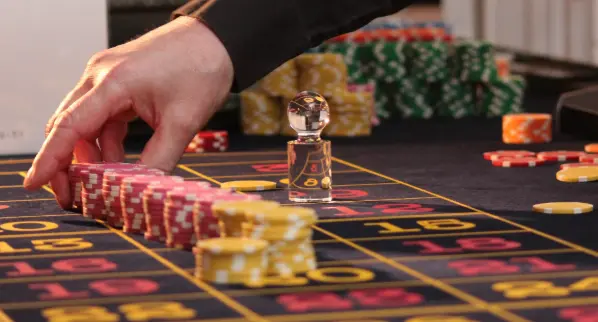
Why Low Limit Rooms Are the Softest Target
High roller tables shuffle more frequently and use continuous shuffling machines that destroy card counting windows. Low limit live rooms do not. They run manual shoes, deal slower, and often let the penetration go past 75 percent before the cut card appears. That is a gift. A five face card hand becomes detectable through deck tracking when the shoe is rich in tens and face cards. The house edge on standard Niu Niu sits around 2.5 to 5 percent depending on the side bet, but a player who tracks face card density can flip that edge into positive territory over a long session. The floor managers in these rooms are watching bet spreads, not deck composition. That is the vulnerability.

The Algorithm Behind the Payout Trap
Bull Bull low limit rooms typically pay five face cards at odds ranging from 1:8 to 1:12. Run the true probability against those numbers and the expected value is brutally negative for the house when deck penetration is high and face cards are clustered. Most operators never run this simulation because their risk models assume uniform distribution across all hands. That assumption is wrong. Shoe clustering is real, and a five face card hand is not an isolated event. It signals a deck state that repeats. Once you identify a face card heavy segment, the next three to five hands carry elevated five face card probability. This is not theory. It is measurable through hand history logs that low limit rooms hand out on request.
Hardware and Shuffle Patterns That Expose the Edge
The physical hardware in budget live rooms is where the audit gets interesting. Older shufflers do not randomize evenly. They produce clumps of high cards that survive into the deal. If you track the first ten hands after a shuffle in a Bull Bull low limit room, you will see face card density spike in predictable intervals. Combine that with a five face card hand and you have a confirmed clump signal. The payout structure has not adjusted for this. The room still pays the same odds regardless of deck state. That is the entire exploit. No software patch fixes it because the problem is physical, not digital.
Bankroll Math for the Five Face Card Hunt
Chasing five face card hands blind is suicide. The variance will eat you alive. But when you combine deck tracking with bet sizing that only escalates during confirmed face card clumps, the math shifts. A 1:10 payout on a 0.0003 percent event is not the play. The play is recognizing when that event probability jumps to 0.003 percent or higher inside a clump, then pressing. In a low limit room with a 50 dollar max bet, the ceiling is low but the edge is repeatable. Scale that across multiple tables and multiple sessions and the five face card hand stops being a lottery ticket. It becomes a line item.
The Room's Blind Spot Is Your Entry Point
Operators audit for card counting, bet spread patterns, and dealer collusion. They do not audit for face card clump recognition in low limit rooms because the individual payout is capped. That is the miscalculation. A five face card hand at low limits is not the score. The score is the predictable deck state that produces it. Once you map that state, you are not gambling anymore. You are extracting from a payout model that was never stress tested against physical shuffle bias. The five face card hand is just the signal that the door is open.